Key takeaways
- A headache that begins at the base of the skull and wraps forward after a crash is frequently a neck headache, not a head headache.
- Neck headaches tend to be one-sided, worse with neck movement or long sitting, and tender to press at the top of the neck.
- A sudden severe headache, a headache that keeps worsening, or a headache with confusion or vomiting is the emergency room.
- A documented exam sorts out which kind you have and writes it down while it is fresh.
The headache is the symptom that makes people worry, and rightly. But the headache that follows a rear-end hit very often has nothing to do with the brain. It comes from the top of the neck, from joints and muscles that were strained when the head whipped, and it refers pain forward along a path that feels, to the person living inside it, like a migraine starting behind one eye. Knowing the difference is not a reason to skip the exam. It is a reason to describe the headache precisely when you get one.
Where it starts tells you a lot
A neck headache, which clinicians call cervicogenic, tends to begin at the base of the skull on one side and wrap up and forward toward the temple and the eye. It gets worse when you turn your head, look down at a phone for a while, or sit through a long drive. Pressing firmly at the top of the neck on the painful side often reproduces it. It usually stays on one side rather than switching.
A migraine, by contrast, often comes with nausea, real sensitivity to light and sound, and sometimes a visual warning beforehand. Migraines can absolutely be triggered by the stress and sleep loss of the days after a crash, so having one does not rule out the neck, and having the neck version does not rule out the head. People get both. That overlap is why self-sorting has limits and an exam does not.
The post-concussion headache
There is a third kind, and it matters most. A headache after a jolt to the head that comes with fog, dizziness, trouble concentrating, or feeling emotionally off is part of the concussion picture, and the CDC lists headache among the most common concussion symptoms (CDC, traumatic brain injury). We wrote about it at length in concussion without a knockout. The point here is narrower: if the headache arrived with any of those companions, say so on the phone, because it changes what the exam looks for.
A sudden severe headache unlike any you have had, a headache that keeps getting worse by the hour, or a headache with vomiting, confusion, weakness on one side, or trouble speaking is an emergency room trip right now. Chest pain, a sudden severe headache, weakness or numbness on one side, trouble speaking, a loss of bowel or bladder control, or a head injury with vomiting or worsening confusion is an emergency room trip right now, not a call to a clinic.
Why the headrest matters
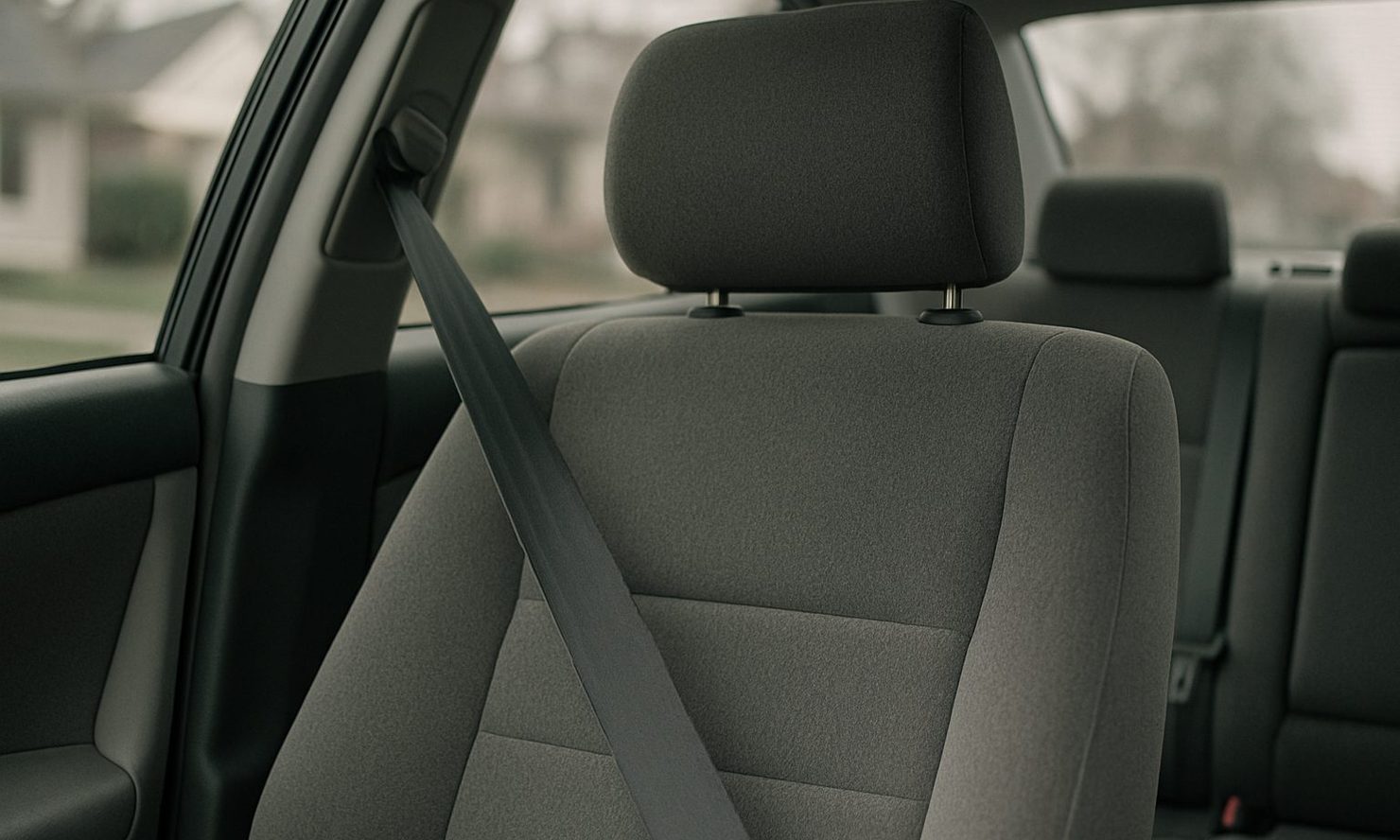
The distance between the back of your head and the head restraint at the moment of impact is the distance your head gets to travel before anything stops it. A restraint set low, at the neck rather than the skull, can act as a pivot. NHTSA publishes plain guidance on adjusting head restraints so the top sits level with the top of your head (NHTSA vehicle safety). That is for next time. For this time, it is one of the questions a good exam asks: where was your head, was it turned, and what was behind it.
What the exam does with a headache
It asks where it starts, which side, what makes it worse, and what it came with. It checks the neck's range and the tenderness of the joints at the top of the spine. If the head was involved it checks the head. Then it writes down what it found and what the plan is. That last part is the point of going this week rather than next month: a headache described on day three, with a measured neck range beside it, is a baseline. A headache described from memory in week five is a story.
Missouri Injury Clinic does this for auto-injury patients at its three offices. Joseph L. Hollingsworth, DC, is a chiropractor, and the clinic treats the neck and, in its published TBI lane, the head after acute injury. Ask what they found. Ask what the plan is. Ask what would make them send you somewhere else. A clinician who cannot answer those is not handing you a record worth keeping.
Neck, head, or both
Describe the headache while it is fresh.
Call the nearest office, say it was a car crash, give the date, and say where the headache starts and what it came with. Take the earliest opening.
Missouri Injury Clinic, Joseph L. Hollingsworth, DC. Hazelwood, Tesson Ferry, and O'Fallon. Every office is closed 12 to 2.
Between now and then
Do not test it. Avoid long sessions looking down at a phone, and if driving makes it worse, drive less. Keep a two-line log each day: where it started, how bad, what it came with. Sleep on your back if you can. Do not take more of any over-the-counter medication than the label says, and ask at the exam before adding anything. None of that is treatment. It is keeping the picture clear until someone can look at it.